October 2023 – October 2025 / Yokohama, Japan
Building an Army Watercraft Operating System in the Pacific
In October 2023, I had the opportunity to move to Japan and assist with the stand-up of the 5th Composite Watercraft Company at Yokohama North Dock. My journey began with running our sustainment efforts and building the maintenance and support capability for our vessels, both at home station and away.
I later served as the company's Master Maritime Officer and Executive Officer. I supervised the operations cell responsible for receiving, planning, and executing missions, while helping the team connect vessel readiness, maintenance, crew training, and support across the Pacific.
The basic explanation
What the boats do and why the Army keeps them in the Pacific.
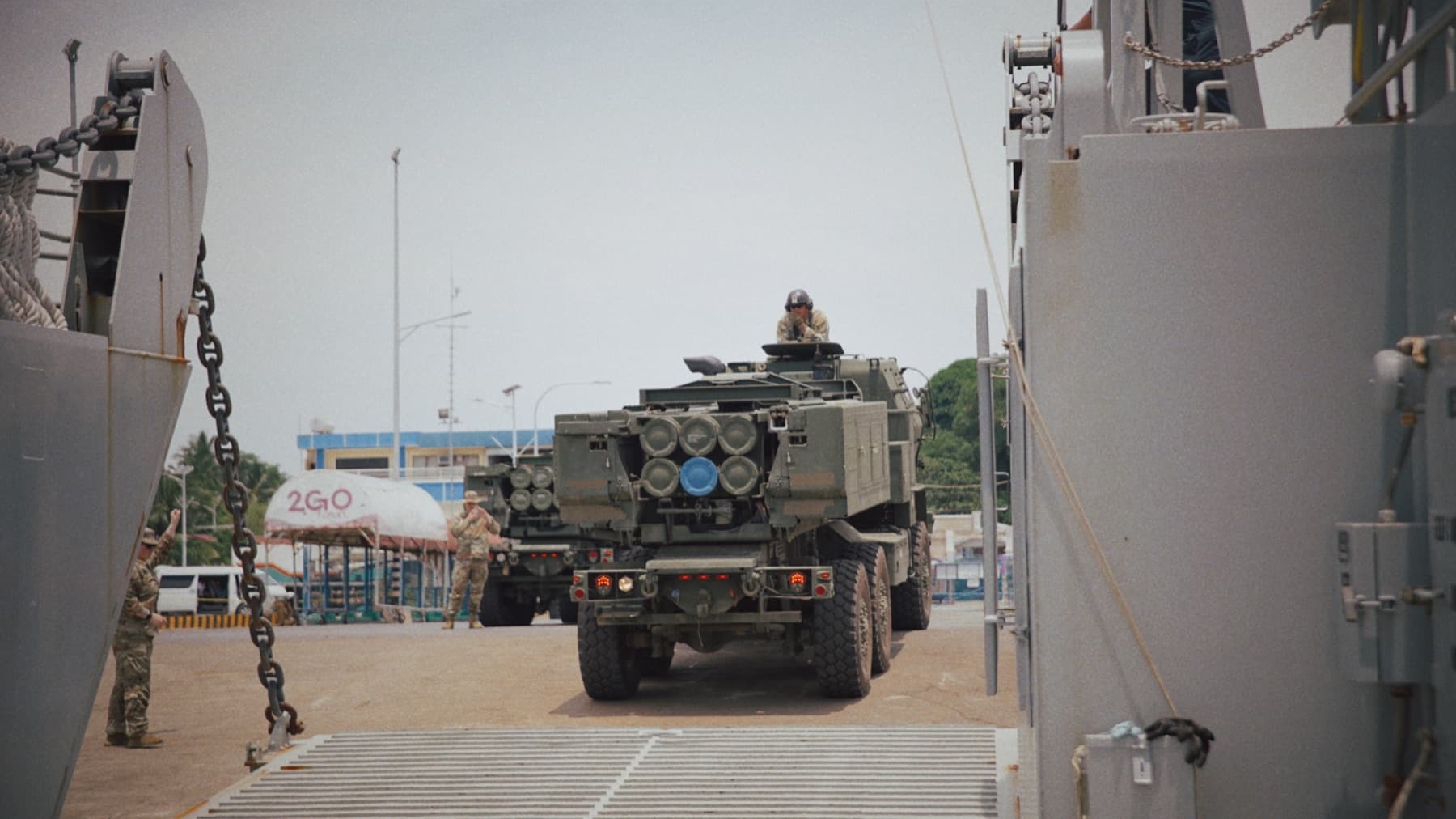
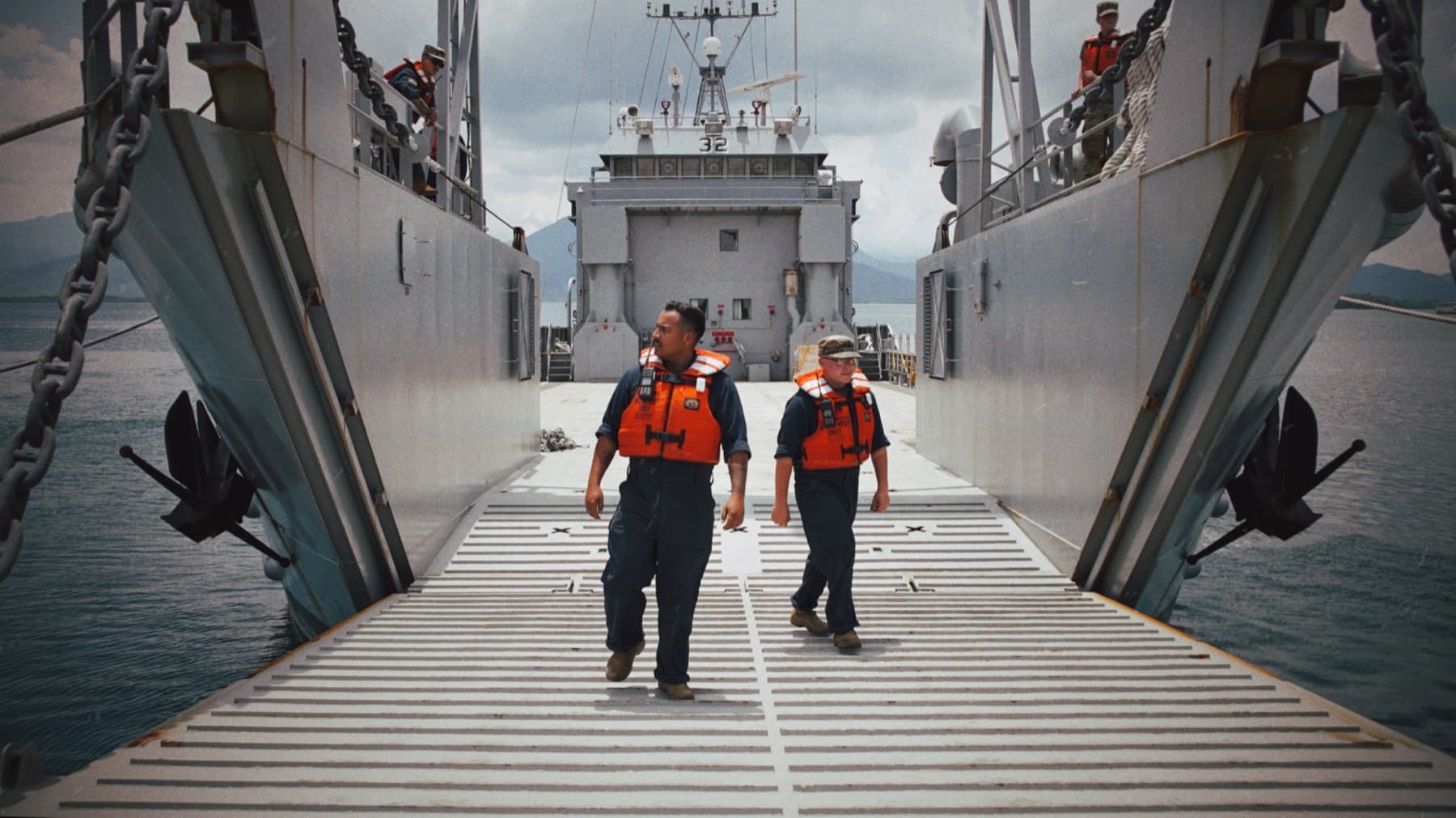
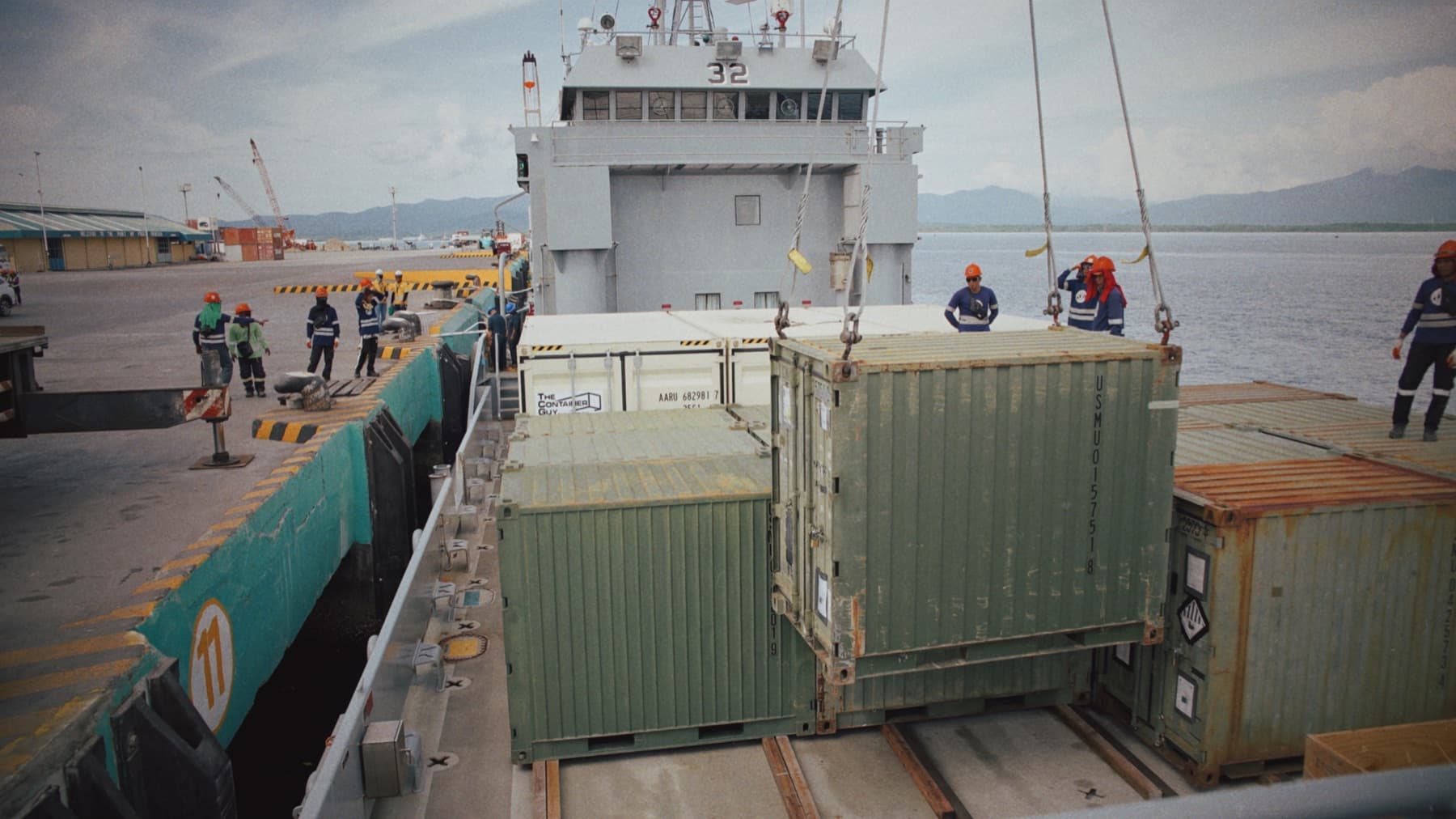
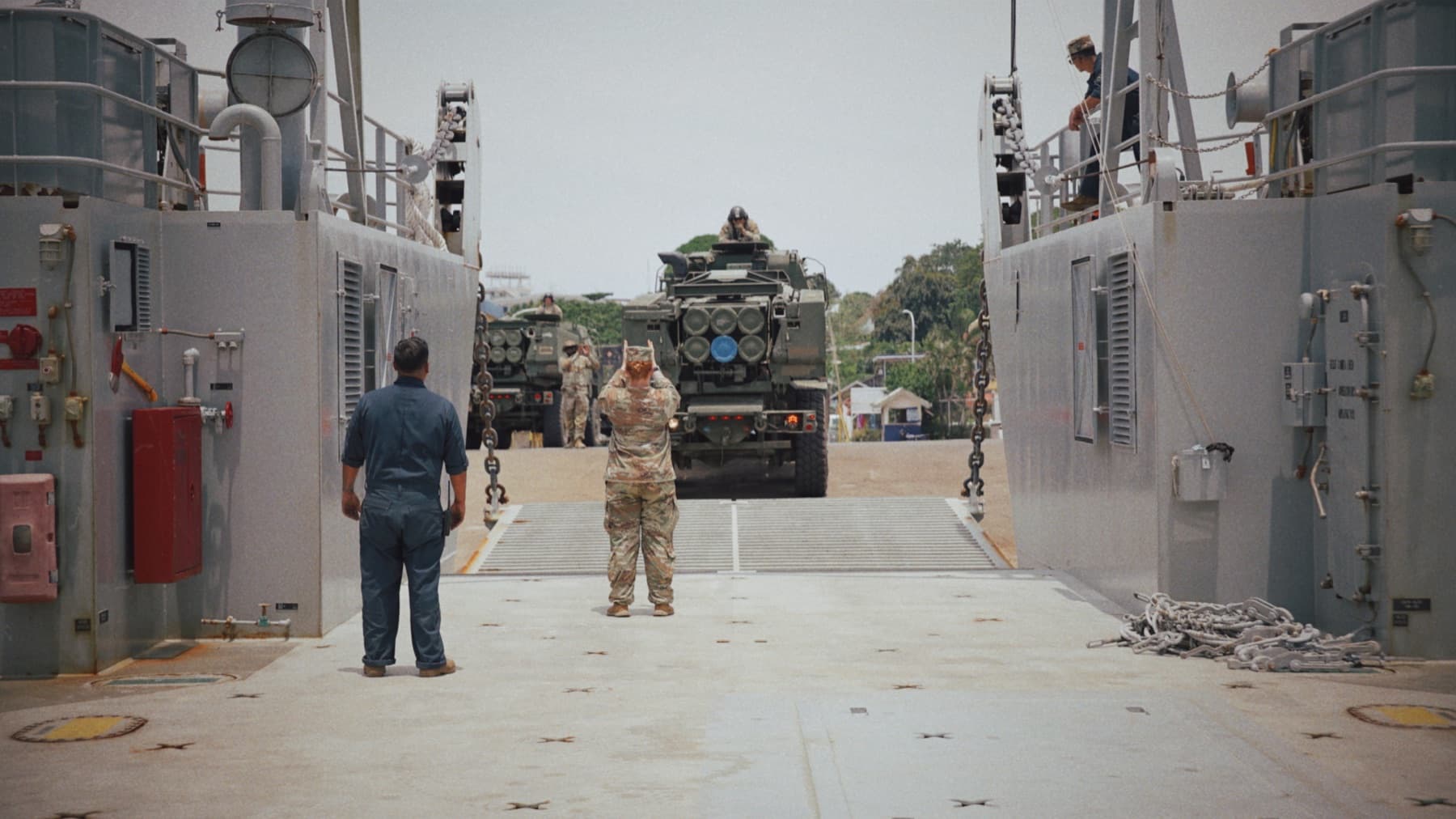
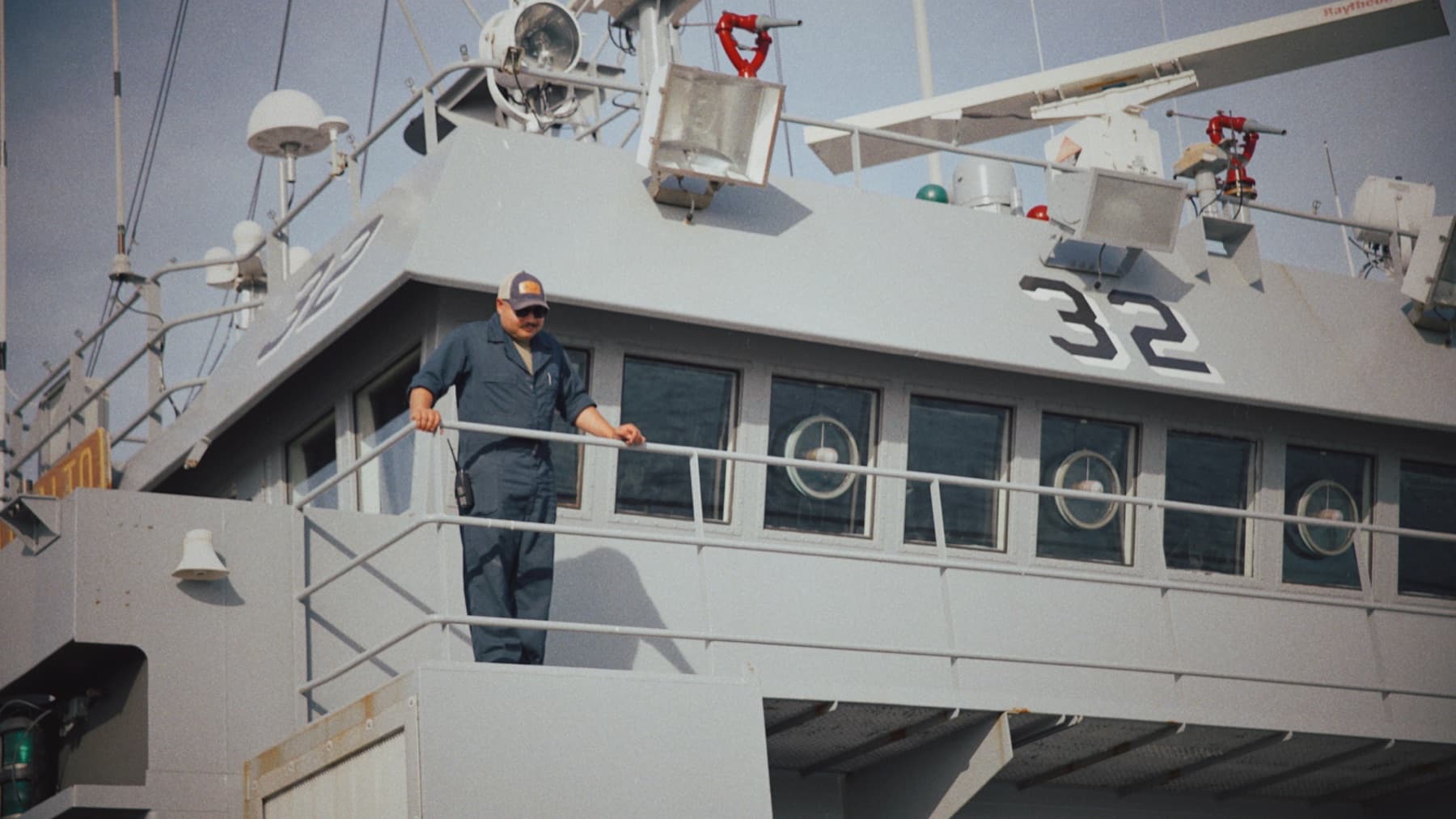
The Army primarily operates four types of vessels that accomplish a range of tasks, from delivering supplies to unimproved beaches and ports to using smaller, agile vessels that can quickly emplace and displace systems like HIMARS. For this vignette, I will focus mainly on the LCU 2000: a 174-foot landing craft with 2,500 square feet of open cargo deck. It can carry roughly 350 tons, which is enough space for five M1 tanks or fifteen standard shipping containers.
The vessel has a ramp at the bow and a shallow draft, so it can move wheeled and tracked vehicles from established ports or larger ships to austere ports, inland waterways, and unimproved beaches. Though its ocean-going capability is debated, the vessel is Class A rated and has a fuel range of approximately 4,500 nautical miles, depending on load and conditions.
That combination matters in the Pacific. The distance between islands is large, port access is uneven, and the equipment still has to reach the place where a unit will use it. An LCU can move combat vehicles, engineering equipment, ammunition, humanitarian supplies, or medical support without depending entirely on a developed port.
Specifications are based on Army water-transport doctrine and Army acquisition material.
Building the maintenance system
Reframing how we maintained the fleet.
Maintenance was where much of this journey began. We inherited vessels with major faults, an incomplete shop, limited stock on hand, and no established process connecting the crews, maintainers, supply system, technical experts, and outside repair capability. Over time, we built a full maintenance facility through multiple contracting efforts and developed the workflow needed to support both our legacy fleet and the newer SLEP vessels entering the formation.
The typical Army maintenance model moves from identification and troubleshooting to ordering and repair. We still needed each of those steps, but that model was not enough for aging vessels operating far from home station. We needed to move toward predictive stockage, increased servicing, and more resilient—and sometimes more creative—supply chains.
That meant looking beyond the next broken part. What failed often enough that we should carry it before a mission? What could we service earlier? Which repairs required a contract, which parts could be fabricated, and which partners already had access to the maritime equipment or technical knowledge we needed?
A broader TACOM review reinforced what we were already seeing: much of the LCU parts catalog could not be sourced through a normal stocked-item request. The Army supply system remained one path, but it could not be the entire system. Each option below filled a different gap between identifying a fault and returning the vessel to service.
5th CWC maintenance
Contracting
Contracting gave us a way to solve work that could not be completed through a normal part request. We could define a repair, fund the work, and bring qualified maritime labor or specialized equipment to the vessel and maintenance facility.
The organizations around a mission
In due time, we were firing on more than one cylinder.
We established a full-fledged maintenance facility through a couple of multimillion-dollar contracting projects—which, if you know, you know. We developed husbandry support and were even beginning to grasp the part about sending vessels forward. The fleet continued to grow from three legacy LCUs, but the more important change was learning how to connect the organizations responsible for tasking, planning, funding, maintaining, and supporting each mission.
Owned vessel readiness, cargo preparation, navigation, and execution at sea.
Connected the crews, maintenance team, operations cell, training, and local support.
Managed planning, orders, funding coordination, logistics, and weekly controls.
Approved missions, aligned theater exercises, and coordinated diplomatic and funding requirements.
Defined cargo, destination, timing, training objective, and expected outcome.
Provided port access, husbandry, customs support, maintenance, local transportation, and services forward.
How we missioned a vessel
A Power BI view of the mission-planning process.
The dashboard below shows how we thought about a mission from receipt through closeout. Power BI provides the shared view, while the actual work continues through the operation order, RACI, Teams, SharePoint, GCSS-Army, planning conferences, and updates from the vessel and support organizations.
Commander view
Can each vessel execute, where is command attention required, and what changes the mission calendar?
Vessel readiness
Four vessels can execute their currently assigned mission. Three require a change before their next planned event.
Ready: LCU 1, LCU 2, LCU 5, Tug 1
Not ready: LCU 3, LCU 4, Tug 2
| Vessel | Crewing | Maintenance | Comms | Support |
|---|---|---|---|---|
| Ready | Ready | Ready | Ready | |
| Ready | Watch | Ready | Watch | |
| Watch | Ready | Ready | Ready | |
| Ready | Risk | Watch | Ready | |
| Ready | Ready | Ready | Ready | |
| Ready | Ready | Watch | Ready | |
| Watch | Watch | Ready | Watch |
LCU 1 risk summary
Mission outlook
All dashboard values are illustrative and should not be interpreted as operational records.
Supporting the vessels in Australia
The Australia challenge.
DurationA persistent presence measured in months rather than a single port call.
ProblemThe vessels still needed support after the exercise contracts, temporary headquarters, and surge maintenance teams left.
MethodRunning estimates and a logistics terrain walk turned a loose collection of contacts into a repeatable support framework.
Prior to Australia, most of our missions were in and around Japan for lengths of time where we did not need to worry about pre-positioning equipment, contracting husbandry support, or working through extensive agriculture and border-protection inspections.
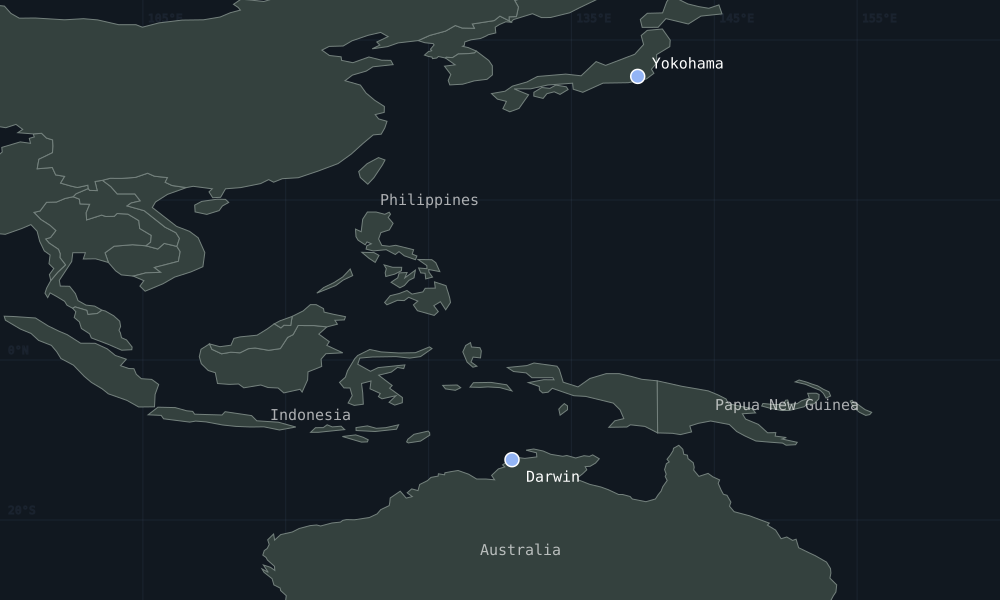
In Australia, the vessels would not only operate during the exercises; they also had to remain in country between and after them. The contracting teams would pack up, the temporary command-and-control cells would dismantle, and surge maintenance would return to home station. The vessels, however, would still be there. So where did we begin?
We began by building a running estimate of the problem. We separated what we knew from what we were assuming, identified the tasks that had been stated and the work that was only implied, and then documented the available resources, constraints, risks, and recommendations. It sounds procedural—and it was—but it forced every organization involved to look at the same problem.
The estimate showed us that we had to forecast maintenance, distribution, warehousing, medical, and crew-support requirements before the vessel arrived. We needed an Australian sponsor organization, a liaison who could translate requirements into their logistics network, a funding method for services, agreements that worked outside a named exercise, a package of likely repair parts, and a path to local industry or on-demand contracting when the problem was larger than the parts we carried. Customs, agriculture, and border requirements were not side conversations; they affected the vessel, its cargo, and whether a repair part could enter the country at all.
Not only did the mission end as a broad success—at least this time we did not have to tow the boat back—but we formed relationships across our crews, U.S. headquarters, Australian soldiers, logisticians, and government agencies. We proved that this level of cooperation could work through rotational access and Australian installations without relying on a permanent American base-and-support structure.
Forecast the mission, maintenance, supply, and crew-support requirements.
Remain forward, translate the vessel’s requirements, and track requests through completion.
Act as the Australian host organization and relay requirements into the ADF network.
Provide distribution, warehousing, maintenance, repair, and connections to local industry.
Coordinate customs, biosecurity, vessel entry, cargo movement, and imported repair parts.
Yokohama to Darwin / maritime route
Where the work led
A year later.
I am writing this retroactively, roughly a year after leaving North Dock to go work at the UN Cell in Japan. More specifically, I am writing this during a transition in my own life as I prepare to leave the Army. I am still part of the organization, but now I watch it from farther away, and I am proud of what I see.
Though my name is not on any of the buildings yet—and I am still holding out hope ;)—the processes our team began building still exist. The mission requests, planning conferences, orders, RACI, maintenance histories, and weekly controls have continued to give the organization a shared way to plan. No single product solved the problem, but together they kept the work from depending on one person remembering what happened during the last mission.
At the time of writing, crews are supporting a simulated HADR exercise in Vietnam, joint medical training in the Philippines, and a biannual Joint Logistics Over the Shore exercise in Korea. At the same time, the prototype MSV-Ls are moving across the Pacific and beginning to set the conditions for the future of Army watercraft.
I cannot take direct credit for executing any of that. I am simply a proud onlooker.
← Back to case studies